


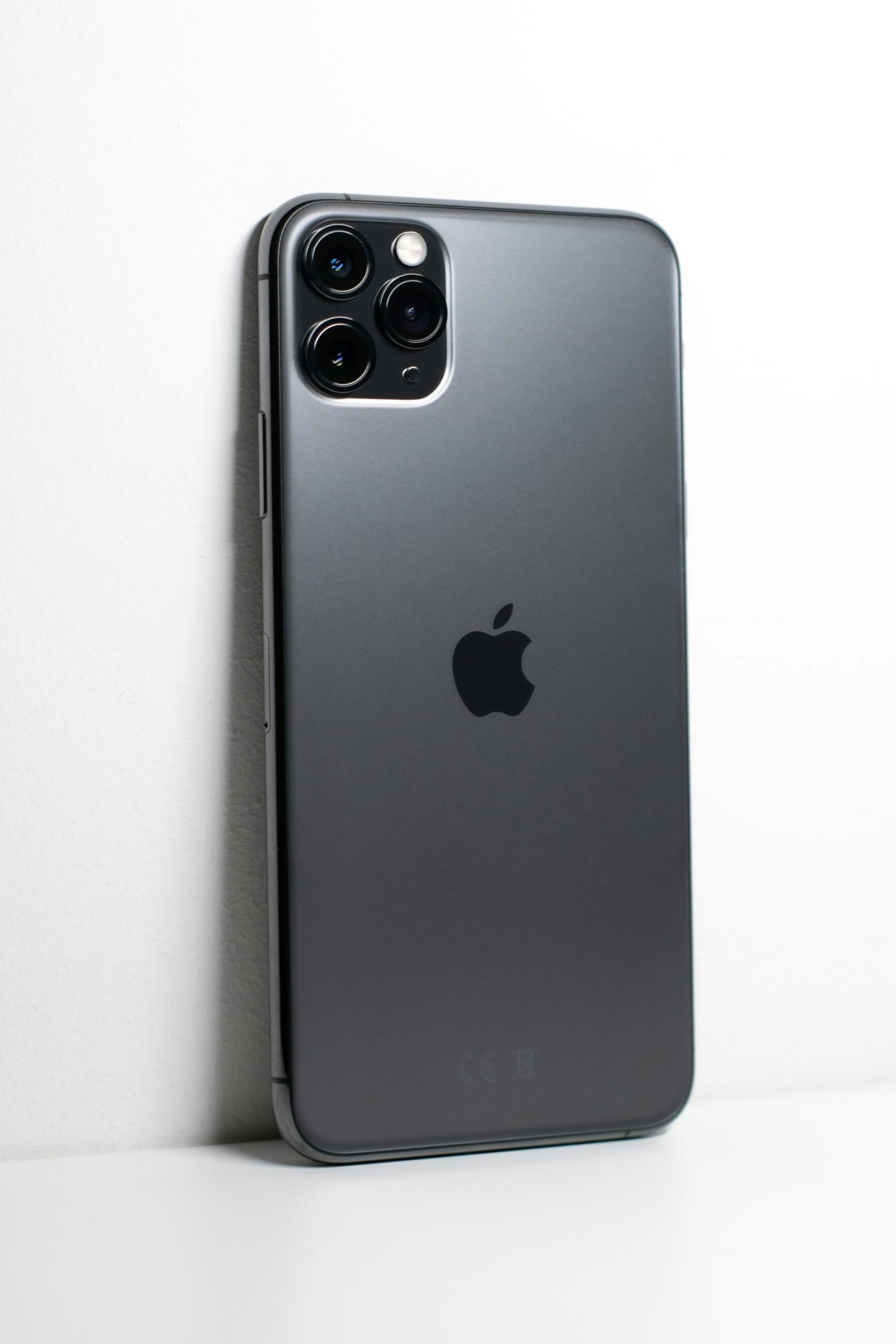
Photography has always been about capturing moments — light, color, emotion. But in 2026, photography has evolved into something deeper: intelligence.
The smartphone in your hand no longer just takes pictures; it understands what it’s seeing. It can recognize faces, analyze lighting, predict motion, and even suggest how to frame your shot — all in real time.
Welcome to the era of AI cameras, where smartphones are redefining what professional photography means.
At MobShop.io VIP, we explore how artificial intelligence has transformed smartphone photography — and why DSLRs, once untouchable, are now being challenged like never before.
1️⃣ From Lenses to Learning: How It All Began
Just a decade ago, camera quality was measured by megapixels. A higher number meant better photos — or so we thought. But then came computational photography, and everything changed.
Google’s Pixel series introduced HDR+, Apple brought Smart HDR, and Samsung added Scene Optimizer — each one using machine learning to analyze and improve every shot.
AI cameras didn’t just see the world; they started understanding it.
- They could detect whether you were shooting a sunset or a portrait.
- They learned to identify pets, food, and even fireworks.
- They started enhancing details the human eye couldn’t catch.
What began as simple post-processing evolved into neural photography — where AI doesn’t just edit your photo; it helps create it.
2️⃣ The Power of Computational Photography
Traditional DSLRs rely on physical components — lenses, sensors, and manual settings. Smartphones, limited by size, turned to software for an advantage.
That’s where computational photography came in — the blend of AI algorithms + camera hardware that creates magic.
Today’s smartphones use multiple small sensors that capture several exposures simultaneously. The AI engine then merges them into one perfect image.
Core AI Features Driving the Revolution:
- Scene Recognition: Identifies over 1,000 different environments and adjusts settings instantly.
- Multi-frame Image Fusion: Combines multiple shots for enhanced dynamic range and clarity.
- AI Depth Mapping: Simulates DSLR-like bokeh effects using machine learning.
- Real-time HDR: Adjusts exposure dynamically for every part of the frame.
The result? Photos that are balanced, vibrant, and cinematic — straight out of your pocket.
3️⃣ Smartphones That Lead the AI Revolution
Let’s look at the flagship phones pushing boundaries in AI camera technology.
Apple iPhone 18 Pro Max (2026 Edition)
Apple’s A20 Bionic chip uses Neural Engine 3.0, which processes trillions of operations per second. The new “Smart Capture” feature automatically understands lighting, subjects, and emotion — capturing real human expressions in perfect tone and contrast.
AI even adjusts the lens behavior — switching from ultra-wide to telephoto based on how you tilt the device. It’s like having a film director in your pocket.
Google Pixel 9 Pro AI
The Pixel has always been the heart of AI photography. The 2026 edition takes it to a new level with Gemini 2 AI, a processor that doesn’t just capture moments but learns your style.
It remembers how you edit and begins replicating your tone — warmth, contrast, saturation — across future shots automatically.
Samsung Galaxy Z Fold 6 Ultra
Samsung’s “Pro AI Vision Engine” uses real-time object detection and lighting mapping. The foldable display allows instant previews and edits on one screen while you shoot on the other.
For influencers and vloggers, it’s a game-changer.
4️⃣ The Brain Behind the Lens – How AI Thinks Like a Photographer
What makes AI cameras smarter than DSLRs isn’t just hardware — it’s the brain inside.
AI cameras are trained on billions of images, teaching them to recognize:
- Human skin tones in all lighting conditions
- The difference between shadows and noise
- The way colors interact with emotion
When you take a photo, the AI system compares your image to its training library and instantly optimizes every pixel for realism and depth.
A DSLR needs a skilled photographer to do that. A smartphone now does it automatically.
AI isn’t replacing creativity — it’s amplifying it.
5️⃣ AI Videography – Beyond Still Photography
The AI revolution isn’t limited to photos. It’s transforming video too.
- Cinematic Mode: AI identifies subjects, tracks movement, and adds natural depth-of-field transitions.
- AI Audio Focus: The phone automatically amplifies the main subject’s voice while reducing background noise.
- Real-Time Stabilization: Predicts your motion pattern and adjusts before the shake even happens.
In 2026, smartphone cameras will record 8K HDR footage that rivals professional film cameras — not just in clarity but in storytelling.
6️⃣ How Smartphones Outsmart DSLRs
The DSLR still has one clear advantage — physics. Larger sensors and lenses capture more light.
But smartphones are winning through intelligence.
Here’s why smartphones are now smarter:
| Feature | DSLR | AI Smartphone |
|---|---|---|
| Ease of Use | Manual setup required | Fully automatic, adaptive |
| Portability | Bulky, heavy | Compact and lightweight |
| Editing | Needs PC software | Instant AI enhancement |
| Learning | User learns camera | Camera learns user |
| Connectivity | Limited sharing | Instant cloud upload & AI sync |
AI cameras are not trying to be DSLRs — they’re becoming something better: an intelligent creative partner.
7️⃣ The Rise of Personalized Photography
The next phase of AI cameras is personalization.
Your phone will understand your aesthetic preferences — color warmth, exposure, contrast — and apply them automatically.
Imagine taking photos that already look like your favorite filter without editing.
In 2026, AI won’t just process your images; it will co-create them with you.
- Love cinematic tones? AI will favor warm highlights.
- Prefer vivid detail? It’ll enhance textures automatically.
- Shoot for social media? AI will frame it for the platform’s aspect ratio.
This is photography tailored to you.
8️⃣ The Role of AI in Creativity and Storytelling
The fear that AI will make photography “too easy” misses the point.
AI doesn’t remove art — it expands it.
A generation of new creators is emerging — storytellers who focus on meaning instead of manual focus.
AI takes care of the technical side so that photographers can concentrate on emotion.
The result? More authentic, diverse, and powerful visual storytelling.
9️⃣ Privacy, Ethics & the Future
With great intelligence comes great responsibility.
AI cameras raise questions about privacy and deepfake technology.
That’s why major brands are integrating ethical AI frameworks — ensuring that face recognition and scene data are processed on-device and not shared externally.
Companies like Apple, Samsung, and Google now use Secure Enclave architecture to ensure your images remain yours — completely private.
10️⃣ What’s Next? The Future of AI Cameras
The next five years will bring unbelievable innovations:
- Neural Zoom: AI predicting image details even beyond optical range.
- MindShot Mode: Conceptual photo composition guided by neural prediction.
- Self-Learning Camera: Adapts its sensor performance based on your habits.
- Emotion-Aware Capture: Detects mood and adjusts exposure tone accordingly.
By 2030, photography will no longer be about pressing a button — it will be about expressing a thought.
Final Thoughts — The Smart Lens Era
The rise of AI cameras marks the biggest leap in photography since the digital revolution.
Your smartphone has evolved from a simple gadget to an intelligent visual companion.
DSLRs will always have their place in professional studios, but for everyday users — creators, influencers, travelers, and dreamers — the smartphone is the new creative canvas.
The AI revolution isn’t about replacing photographers; it’s about giving everyone the power to tell their story beautifully.
And at MobShop.io VIP, we’re here to keep you ahead of the curve — because the future doesn’t wait for anyone.